


Asbestos Testing
Airdrie | Cochrane | Okotoks | Chestermere | High River | Crossfield | Black Diamond | Turner Valley | Redwood Meadows | Bragg Creek
Langdon | Didsbury | Water Valley | Irricana | Surrounding communities across the Calgary region
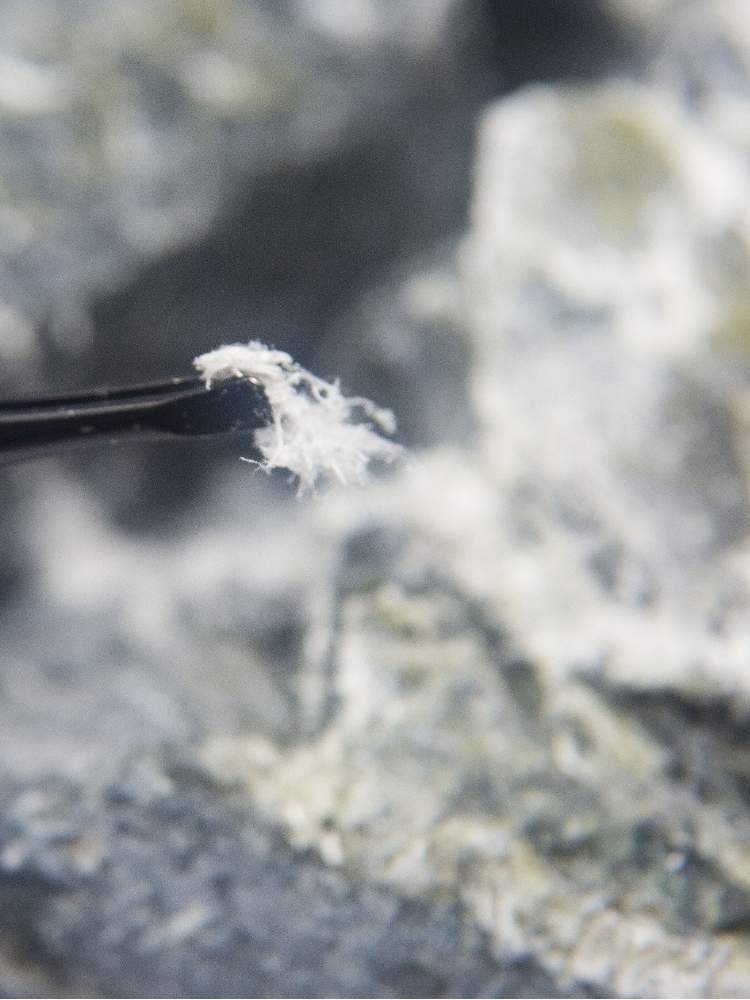
Choose Asbestos Testing when you’re planning renovations, working in a pre‑1990 home, or have concerns about older building materials that may contain asbestos. This service provides a safe, certified assessment of suspect materials before renovation, demolition, or any change in how a space will be used. Our inspectors collect targeted bulk and material samples and use ISO/IEC 17025‑accredited laboratories to confirm the presence, type, and percentage of asbestos so you can make informed decisions before disturbing anything.
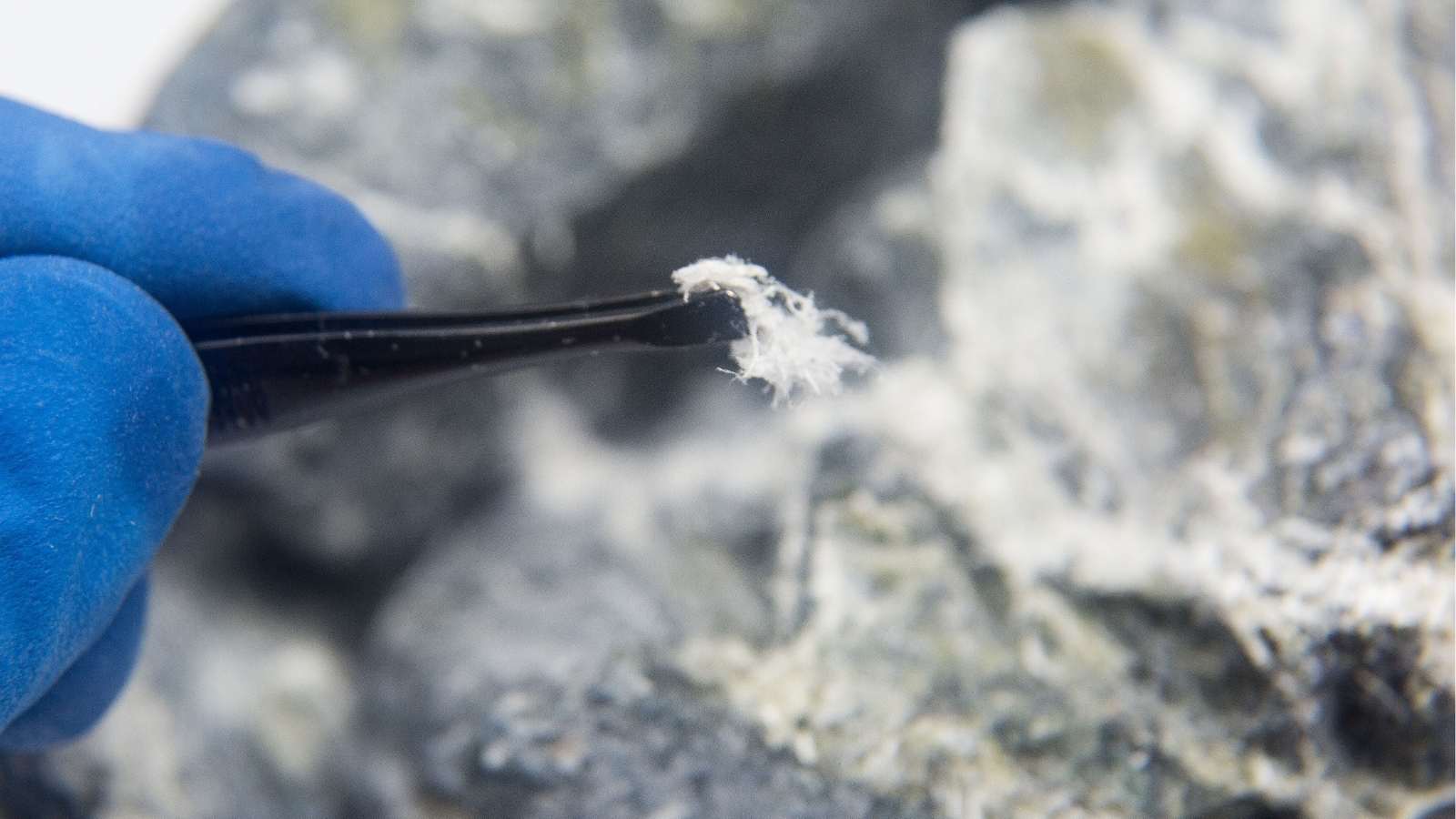
Which Situations Require Asbestos Testing?
Renovation or demolition: Choose asbestos testing before cutting, drilling, sanding, or removing drywall, plaster, flooring, ceiling texture, insulation, or exterior cladding in pre‑1990 homes.
Material deterioration: Test when older materials are crumbling, water‑damaged, or breaking down — especially around drywall, plaster, pipe insulation, ceiling texture, or floor tiles.
Real‑estate or insurance requirements: Insurers, contractors, and property managers often require asbestos confirmation before work begins.
Vermiculite insulation: Older attics may contain vermiculite that is contaminated with asbestos fibres. Testing confirms whether it is safe to leave in place or requires abatement.
Homes across Central Alberta built before the 1990s often contain asbestos in drywall compounds, flooring, insulation, ceiling textures, exterior finishes, and older vermiculite attic insulation. Because asbestos confirmation requires opening or disturbing the material surface, our team follows Alberta Health and Safety Guidelines and CMHC best practices to ensure safe collection and clear next‑step recommendations.
For property owners throughout Central Alberta, Asbestos Testing is often paired with Mold Testing or Renovation Inspections when working with older homes or disturbed building materials.
This service is often paired with:
What we deliver?
On‑site time: Most asbestos sampling appointments take 20–45 minutes, depending on the number of materials and locations.
Sample types: Bulk and material samples from drywall, plaster, flooring, ceiling texture, insulation, duct wrap, exterior siding, and other suspect materials. We follow safe, minimal‑disturbance collection procedures.
Lab accreditation: All samples are analyzed by ISO/IEC 17025‑accredited laboratories using PLM (Polarized Light Microscopy) or TEM (Transmission Electron Microscopy) when required.
Report contents: You receive:
Accredited lab report
Site summary with photos
Sample IDs and locations
Chain‑of‑custody documentation
Material descriptions
Clear next‑step recommendations for remediation or safe handling
Turnaround and Pricing
Typical lab turnaround: 24–72 hours for standard PLM analysis.
Priority option: Same‑day or next‑day results may be available depending on lab capacity.
Pricing: Based on the number of samples and material types. Request a quote to receive a tailored estimate and a sample report.
Urgency and Booking Policy
We prioritize urgent renovation timelines and real‑estate conditions. Text (403) 257‑4820 for fastest scheduling.
After‑hours messages: Reviewed the next business day; urgent requests flagged “URGENT” or sent by text receive priority.
Verification and Remediation
If asbestos is confirmed, we outline safe next steps and can connect you with qualified abatement contractors. Post‑abatement clearance testing is available as a separate service,
And includes:
Targeted re‑sampling
Accredited lab analysis
Pre‑ and post‑abatement comparison
Clearance documentation for insurers, contractors, or re‑occupancy
FAQ related to Asbestos Testing
Asbestos questions are common in homes built before the 1990s, and most concerns can be addressed with clear, practical information. These FAQs help you understand when testing is needed, what results mean, and how to plan safe next steps during renovations or maintenance.
Can I stay in my home during testing?
Yes. Sampling is low‑disturbance and localized. If materials are severely damaged, we may recommend limiting access to that area until results are confirmed.
How many samples do I need?
Sample counts depend on material type and variation. We help determine the minimum number of samples needed to meet lab and regulatory guidelines.
Do all older homes contain asbestos?
Not necessarily. Many pre‑1990 homes contain asbestos in drywall, flooring, ceiling texture, insulation, or duct wrap, but only lab testing can confirm it.
Do I have to remove asbestos if identified in the testing?
No — asbestos does not need to be removed unless it is damaged or will be disturbed during renovation or demolition. Intact materials can often remain in place, but any planned work on them requires proper abatement.
Below is the practical way to think about it:
- When do I NOT need to remove asbestos?
The material is in good condition (sealed, intact, not crumbling).
It’s in an area that won’t be cut, drilled, sanded, or renovated.
It can be safely left in place and monitored.
In these cases, asbestos is considered low‑risk because it’s not releasing fibers into the air.
- When is removal or abatement is REQUIRED?
You’re planning renovation or demolition that will disturb the material.
The material is damaged, water‑affected, or deteriorating.
A contractor, insurer, or workplace safety requirement mandates abatement before work begins.
The material is in a high‑traffic area where it’s likely to be bumped or broken.
In these cases, asbestos is considered high‑risk because it is likely be releasing fibers into the air.
What is asbestos testing used for?
Asbestos testing identifies whether older building materials contain asbestos so you can renovate safely and meet insurance or contractor requirements.
What does asbestos testing actually give?
Testing confirms:
- Presence of asbestos
- Type (e.g., chrysotile, amosite)
- Percentage
- Material condition (from the site report)
From there, property owner decides whether to leave it undisturbed, encapsulate, or remove based on your plans and safety guidelines.
Is vermiculite always asbestos‑contaminated?
Not always. Some vermiculite contains asbestos fibers, and some does not. Only laboratory testing can confirm whether it is safe to leave in place.

Innovation
Fresh, creative solutions.

Integrity
Honesty and transparency.

Excellence
Top-notch services.

FOLLOW US


COMPANY
CUSTOMER CARE
LEGAL
Copyright 2026. InspectionExperts. All Rights Reserved.