
See What's Hiding in Your Sewer Line
Real problems. Real findings. Every week, our sewer inspections discover issues that could cost thousands in repairs if missed. Root intrusion. Pipe cracks. Blockages. Offsets. We find them before you buy—or before they become emergencies. Our HD camera gives you a clear, detailed look at what's actually happening underground, so you know exactly what needs fixing. This is especially important in Calgary. Older neighborhoods have clay or cast-iron pipes that are vulnerable to roots, corrosion, and freeze-thaw damage. You can't see these problems without a camera. And you shouldn't buy a home or keep a property without knowing.
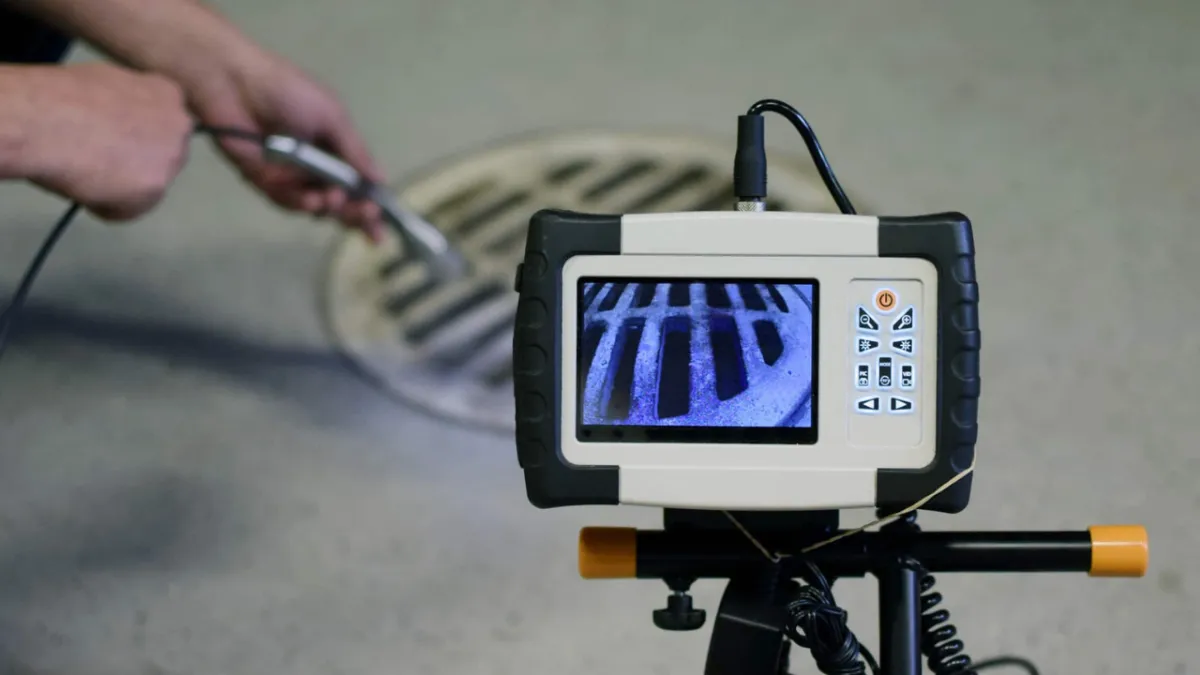
Why Sewer Camera Inspection is Critical
A sewer camera scan is the only way to see what's really happening underground. Here's what we commonly find:
Tree Root Intrusion — Roots grow toward moisture and can crack pipes or completely block the line.
Pipe Cracks & Corrosion — Older cast-iron and clay pipes deteriorate over time. Calgary's freeze-thaw cycles accelerate this. Blockages & Buildup — Grease, debris, or construction materials can block the line and cause backups.
Pipe Belly (Sagging) — Low spots in the line collect water and waste, causing slow drains and recurring backups.
Offset Joints — Ground movement causes pipes to shift at connection points, creating cracks and leaks.
Improper Grading — Water can flow the wrong direction, stressing the line or causing soil infiltration. Without a scan, you won't know these problems exist until they cost you $10,000 to $30,000+ in repairs.
When You Need a Sewer Camera Scan
Before Buying a Home
Especially for properties built before 1990. A scan protects your investment and can support negotiations if problems are found.
If You're Experiencing Issues
Slow drains. Gurgling fixtures. Sewer odours. Backups that keep returning. These are signs something is wrong underground.
Before Major Renovations
If you're adding a bathroom, basement suite, or new plumbing, confirm the line can handle the increased load.
For Older Homes
Clay or cast-iron pipes naturally deteriorate. A scan tells you what's coming and when to plan repairs.
Seasonal Changes
After heavy rain or freeze-thaw cycles, problems worsen. A scan before spring or winter is smart preventive maintenance.
Field-Findings which we share weekly
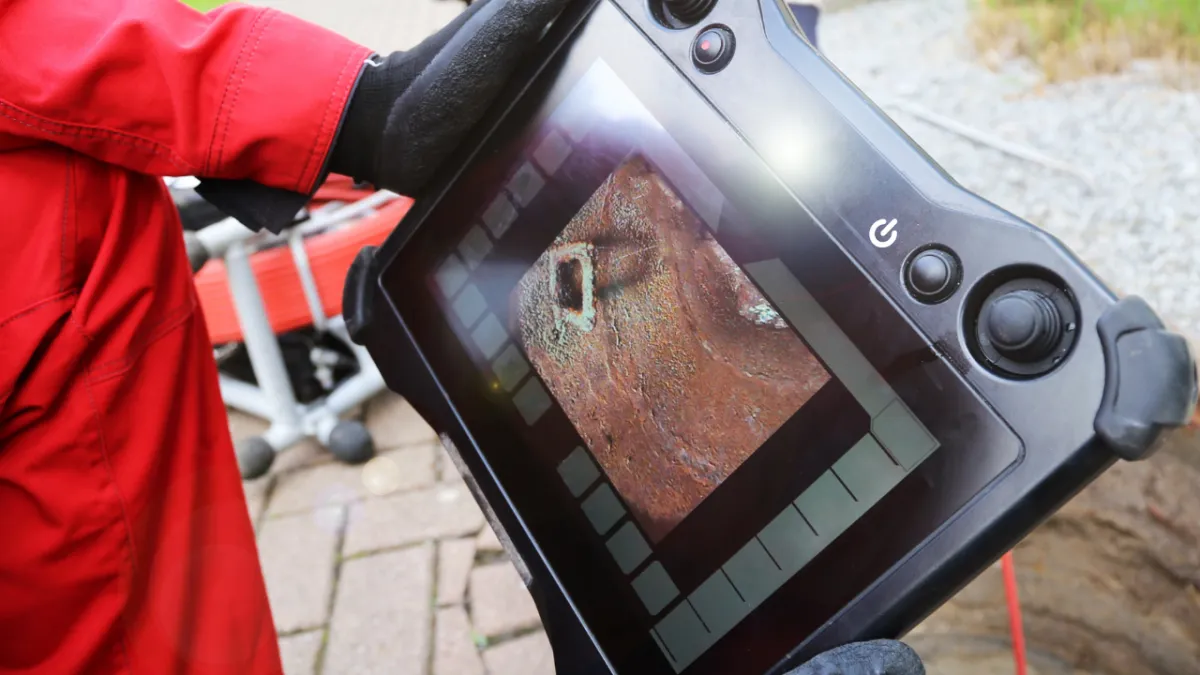
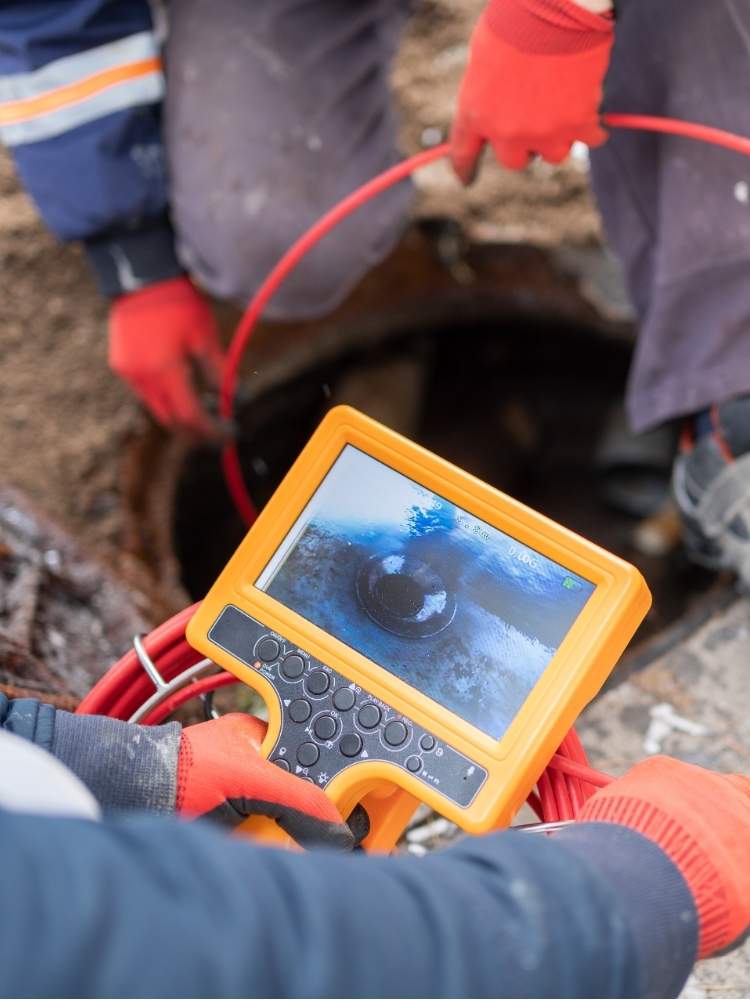
These aren't hypotheticals. These are real discoveries from real Calgary inspections—often caught just in time.
What you get | Your Sewer Camera Scan Report Includes
A sewer camera scan is the only way to see what's really happening underground. Here's what we commonly find:
HD Video Footage — Complete visual record of the entire sewer line, so you see exactly what we see.
Detailed Written Summary — Clear explanation of findings, problem locations, and severity.
Repair Recommendations — Guidance on what needs fixing now vs. what can wait.
Documentation for Trades — Share your report with plumbers or contractors for accurate repair estimates.
Real Estate Support — Use the report in negotiations, warranty claims, or as due diligence before closing.
FAQ related to Sewer Camera Scan
Homeowners often have practical questions about what a sewer camera scan includes, when it’s needed, and what happens if an issue is found. These FAQs give you clear, straightforward answers so you can make informed decisions about your sewer line’s condition and next steps.
Is it included in a home inspection?
No. Sewer camera scan is a specialized add-on service that takes 1–2 hours. It's always worth doing, especially before buying.
What if the scan finds a problem?
You'll have a complete video and report. You can share it with a plumber for repair estimates, or use it in real estate negotiations.
How long does it take?
Most scans take 1–2 hours, depending on line length and access. You'll get results the same day.
Do I need to be at home?
You don’t have to be at home for the scan to be completed, but many homeowners choose to be present so they can watch the real‑time camera footage and see any findings as they’re discovered. If you prefer not to attend, you’ll still receive the full video and a clear summary of the results.
Is this a septic tank inspection?
No. A sewer camera scan is not a septic tank inspection. Our scan evaluates the main sewer line using a specialized camera to check for blockages, cracks, root intrusion, or pipe deterioration. Septic systems require a separate septic inspection, which involves assessing the tank, pump chamber, field, and overall system performance.
If you’re buying an acreage or rural property and need septic evaluation, please contact our client care team at (403) 257-4820 for advice.
I am buying a new home, do I need Sewer Camera Scan?
Yes. Sewer Camera Scan can discover many problems. Even on a new home, a sewer repair might be needed and can cost money for clearing debris, spot repairs or line replacement. Our experience shows that even new homes indicate blockages due to:
Construction‑Related Issues
Dirt, rocks, gravel, or backfill material left inside the pipe
Pieces of wood, plastic, insulation, or garbage from trades
Cement or grout accidentally poured into the line
Tools or construction materials dropped into the pipe
Excess glue or sealant blocking part of the pipe
Installation Errors
Incorrect slope (too flat or too steep)
Misaligned joints
Poorly glued or improperly connected fittings
Sections of pipe not fully seated together
Wrong pipe type or diameter used
Damage During Backfilling
Crushed or cracked pipes
Pipes shifted out of alignment
Bellies or low spots where water and waste collect
High spots that cause slow drainage
Lot Grading & Settlement Issues
Soil settling after construction causing pipe sagging
Heavy equipment driving over the line and damaging it
Improper compaction leading to future pipe movement
Exterior & Builder‑Related Problems
Sewer line not properly connected to the city main
Temporary construction caps left inside the pipe
Landscaping or concrete work damaging shallow sections
Tree roots already starting to grow toward warm, moist soil

Expert Protection Now: Same-Day Reports, NRCan Alerts
Act now: hit the 12-month deadline by booking Same-Day Reports to secure NRCan Protection and unlock CMHC/CEIP refunds right away.

Integrity
Honesty and transparency.

Excellence
Top-notch services.

FOLLOW US


COMPANY
CUSTOMER CARE
Copyright 2026. InspectionExperts. All Rights Reserved.