
Thermal Imaging
Airdrie | Cochrane | Okotoks | Chestermere | High River | Crossfield | Black Diamond | Turner Valley | Redwood Meadows | Bragg Creek
Langdon | Didsbury | Water Valley | Irricana | Surrounding communities across the Calgary region
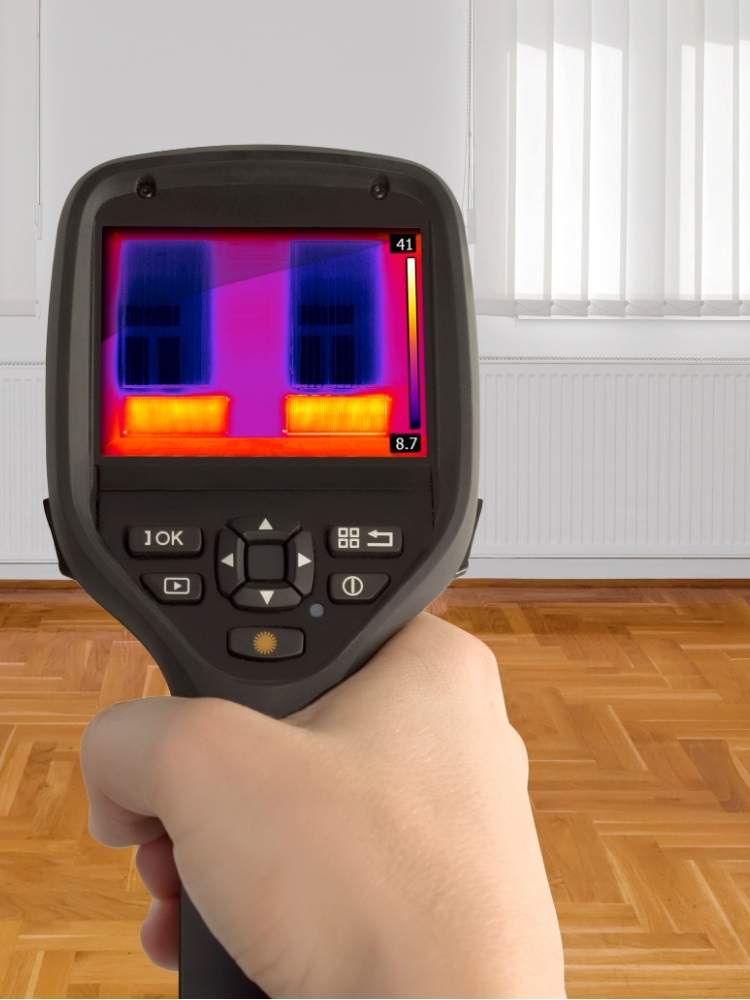
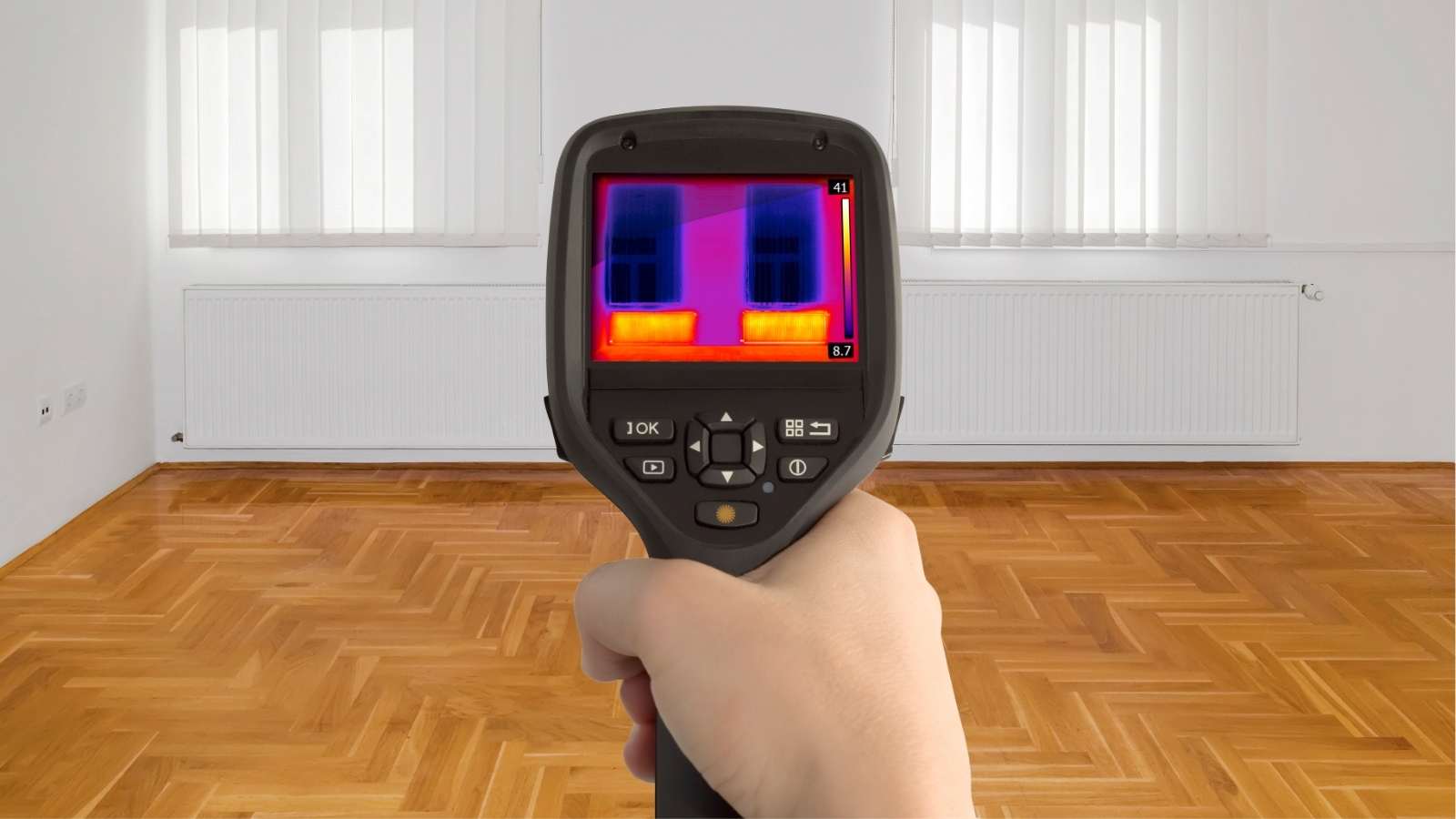
We use a thermal camera to reveal problems that aren’t visible during a standard inspection. By scanning walls, ceilings, electrical components, and mechanical systems, we spot hidden moisture, missing insulation, air leaks, cold spots behind walls, and roof heat loss before they turn into costly repairs. Thermal scanning also helps us identify moisture behind walls, insulation gaps in attics, cold basements, leaky windows, overheating breakers, radiant floor heating issues, and HVAC duct leaks that affect comfort and efficiency.
Our dedicated Thermal Imaging service is designed for homeowners who want the complete image package and a detailed diagnostic report that explains each finding. This deeper level of insight helps them understand the home’s true condition and avoid post‑purchase surprises. Many homeowners also pair Thermal Imaging with Mold | VOC | Particles Testing or an Annual Maintenance Inspection to get a clearer picture of how their home performs behind the scenes.
FAQ related to Thermal Imaging
Thermal imaging often raises questions about what the camera can detect, how accurate the results are, and when this technology is most useful. These FAQs give you clear, practical answers so you understand exactly how thermal imaging supports your inspection and what insights it can reveal about your home.
What can thermal imaging actually detect?
Thermal imaging identifies temperature differences that may indicate hidden issues such as moisture intrusion, missing insulation, overheating electrical components, air leaks, or areas of heat loss. It does not see through walls, but it reveals patterns that help pinpoint concerns.
Thermal imaging identifies temperature patterns that point to potential issues, but it doesn’t diagnose the root cause on its own. When needed, we verify findings with additional tools such as moisture meters or electrical testers to help narrow down the source.
Is thermal imaging included in every inspection?
Basic thermal scanning is included in our every inspection, our inspector uses this as a tool for their analysis and review.
However, a dedicated Thermal Imaging service provides a deeper diagnostic images and a detailed report to you. When a more thorough evaluation or documentation is required for repairs, warranty claims, or insurance Thermal imaging is used.
Does the home need to be prepared before a thermal scan?
A temperature difference between indoors and outdoors helps create clearer thermal patterns. We may ask you to keep windows closed, maintain normal heating or cooling, and avoid running appliances that generate excess heat before the scan.
Can thermal imaging confirm a leak behind a wall?
Thermal imaging can show temperature anomalies consistent with moisture, but it cannot diagnose the exact cause on its own. If moisture is suspected, we use additional tools—such as moisture meters—to verify the finding and determine next steps.
Can thermal imaging detect issues in finished basements or behind tiled walls?
Thermal imaging works well in finished basements, but it’s not reliable on tiled or glossy surfaces because reflections distort the readings. It can still identify issues in surrounding areas, but tile itself doesn’t provide accurate thermal data.
Is thermal imaging safe for my home and electrical systems?
Absolutely. Thermal imaging is a non‑contact, non‑invasive technology that uses infrared sensors to measure surface temperatures. It does not emit harmful radiation and does not affect electrical systems, wiring, or building materials.

Expert Protection Now: Same-Day Reports, NRCan Alerts
Act now: hit the 12-month deadline by booking Same-Day Reports to secure NRCan Protection and unlock CMHC/CEIP refunds right away.

Integrity
Honesty and transparency.

Excellence
Top-notch services.

FOLLOW US


COMPANY
CUSTOMER CARE
Copyright 2026. InspectionExperts. All Rights Reserved.