Signs Your Calgary Home May Have an Indoor Air Quality Problem
Signs Your Calgary Home May Have an Indoor Air Quality Problem
Indoor air quality is a complex balance of moisture, ventilation, and chemical emissions. In Calgary’s extreme climate, your home acts as a sealed envelope. While this keeps us warm during freezing winter stretches, it also means the air you breathe is continually recycled. It is heavily influenced by every building material and drop of moisture trapped within those walls.
At Inspection Experts, our "We Inspect to Protect" mission brings technical clarity to the invisible factors that shape your family’s health.
How does Calgary’s climate affect indoor air quality?
Calgary’s volatile climate forces residential properties to operate as tightly sealed, high-efficiency building envelopes, heavily impacting indoor air quality (IAQ) and home wellness. During extreme sub-zero winter stretches, these sealed structures trap dangerous volatile organic compounds (VOCs), construction moisture, and naturally occurring radon gas inside, resulting in continuously recycled, polluted indoor air. This hazard is compounded by Calgary's famous Chinook winds, where rapid outdoor temperature swings create an aggressive condensation cycle within attics and walls—frequently causing "attic rain" and hidden moisture accumulation that serves as the primary breeding ground for toxic mold growth. For families dealing with respiratory issues or seasonal allergies, these invisible climate-driven factors make professional air quality testing and mold inspection essential steps to verify a healthy home environment.

Quick Checklist: Does Your House Have an Air Quality Issue?
If you notice any of these warning signs, your property requires immediate diagnostics:
Musty or damp odors coming from basements, crawlspaces, or baseboards.
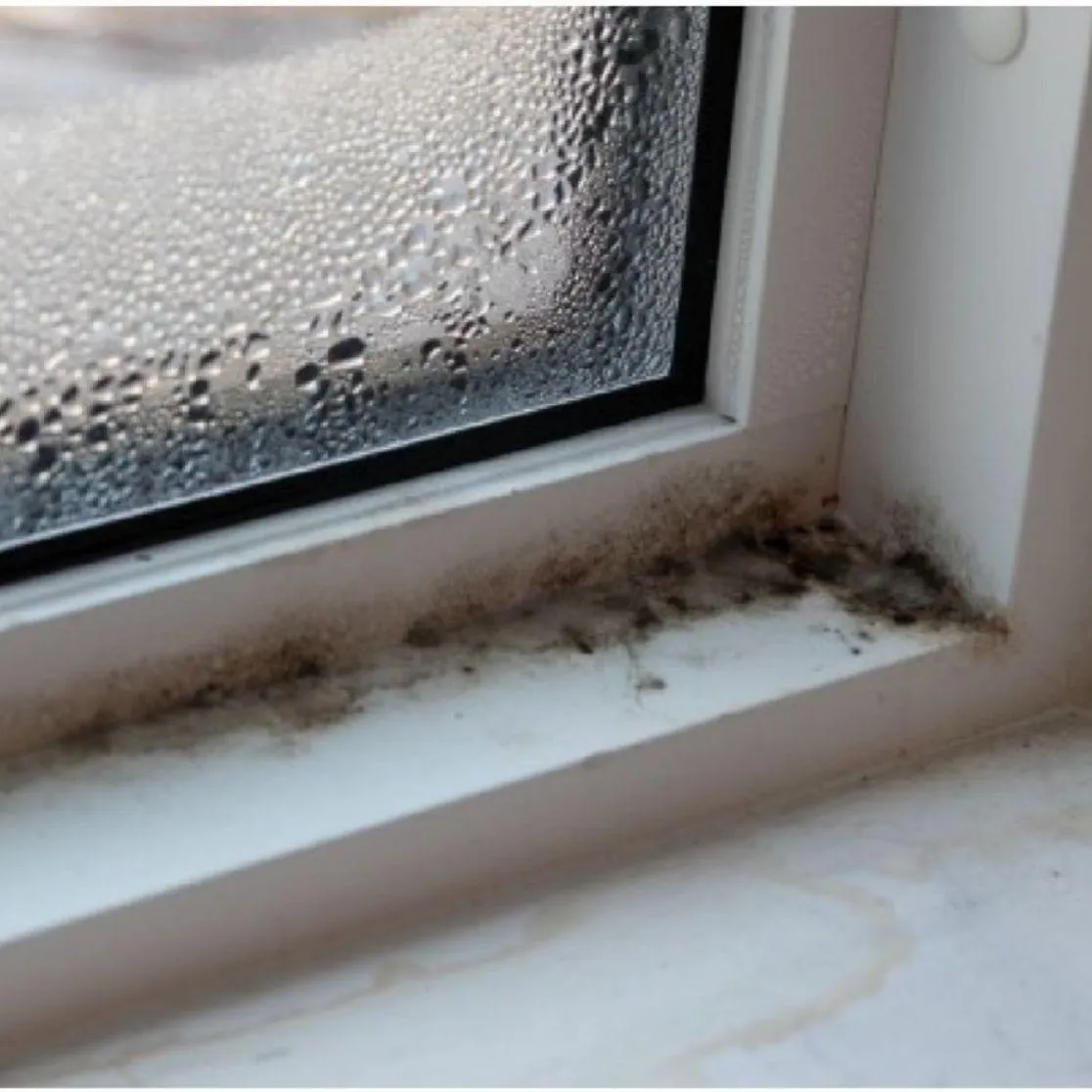
Unexplained moisture, window condensation, or water stains on drywall.
Health symptoms like coughing, congestion, and headaches that improve when you leave the house.
Chemical smells or a "new house smell" that lingers for months after renovations.
How Does Calgary’s Climate Affect Indoor Air Quality?
Calgary homes face unique environmental stresses that require a specialized approach to building science:
The Chinook Condensation Cycle: Rapid temperature swings cause warm, moist indoor air to collide with freezing exterior surfaces. This creates "Attic Rain" and hidden wall condensation—the primary fuel for mold growth.
The Airtight Envelope: Modern Calgary builds are highly energy-efficient and tightly sealed. Without perfectly balanced ventilation, construction moisture and "New House" chemicals become permanently trapped.
Reactive Geology: Calgary’s soil composition makes the region a high-risk zone for Radon gas. Because it is completely odorless, scheduling an independent Radon Testing Service is the only way to ensure your family's safety.
Why Do New Calgary Homes Often Have Mold and VOC Issues?
It is a common misconception that only older homes struggle with air quality. In reality, modern construction faces very specific technical risks:
Trapped Construction Moisture: New builds often trap outdoor moisture inside wood framing and walls before the building envelope is fully closed.
Foundation Curing: Concrete basement foundations take months to fully cure, releasing massive amounts of water vapor directly into the indoor air.
Chemical Off-gassing: Fresh paint, new flooring, and cabinetry release Volatile Organic Compounds (VOCs) for months. High-efficiency building envelopes trap these chemicals indoors before the property can fully ventilate.
🛠️ Renovation Tip: If you have recently updated your property, our targeted VOC Testing After Renovations protects your household by identifying chemical spikes from fresh materials.
When is Mold Testing Considered Urgent?
Visible mold on walls, baseboards, or ceilings is a clear indicator that moisture has been present for a significant period. Mold can begin to grow within 24 to 48 hours of moisture exposure.
At this stage, booking a certified Mold Inspection in Calgary becomes essential. Visible surface mold is often just a small symptom of a much larger, hidden problem lurking behind your drywall or under your subfloors.
Mid-Assessment Summary: Recognizing and Addressing Your Air Quality Risks
Before diving into the exact scientific protocols of a professional diagnostic assessment, it helps to understand how these subtle climate and construction variables manifest in your daily living space. Indoor air quality issues in Calgary rarely remain completely invisible; instead, they signal their presence through a combination of persistent physical symptoms and structural warnings.
If your family is experiencing unexplained respiratory issues, or if you have detected a lingering chemical odor following a recent renovation, your home's building envelope is likely struggling to manage airborne contaminants. Similarly, finding unexplained window condensation or a musty smell in your basement points directly to a hidden moisture or active mold problem that requires immediate investigation. Rather than relying on guesswork, scheduling targeted environmental testing bridges the gap between identifying these early warning signs and deploying a permanent, data-driven solution.
What Happens During a Professional Air Quality Test?
Testing is not guesswork; it is exact scientific measurement. A professional Air Quality Test for Families with Allergies or health concerns involves:
Visual & Moisture Assessment: Using moisture meters and infrared cameras to find exactly where water is leaking or accumulating.
Calibrated Air Sampling: Utilizing scientific pumps to draw a measured volume of air across a specialized cassette to trap airborne particles and mold spores.
VOC & Particle Testing: Measuring chemical concentrations and evaluating fine dust, dander, or allergens that disrupt respiratory comfort.
Lab-Verified Results: You receive an official, independent report comparing your home's air samples to expected Canadian indoor baselines.
10 Recommendations for a Healthier Home
Our certified property inspectors advise Calgary homeowners to implement these data-driven habits:
Address Moisture Immediately: Fix plumbing leaks, improve exterior grading, and manage humidity to prevent mold growth before it starts.
Use Ventilation Intentionally: Run bathroom fans, kitchen exhaust hoods, and your HRV/ERV systems to eliminate stale, humid conditions.
Schedule Proactive Thermal Imaging Every Five Years: Calgary’s freeze-thaw cycles make periodic moisture checks a smart part of long-term home care. Book an Infrared Moisture Inspection to check your building envelope.
Test After Renovations or Major Work: New materials release VOCs. A post-renovation air assessment provides absolute clarity.
Request Post-Remediation Clearance: If you’ve had water damage or mold removal, independent clearance testing confirms the space is safe before you rebuild.
Monitor Humidity Year-Round: Keep indoor humidity strictly between 30% and 50% to reduce condensation and mold risks.
Don’t Ignore Persistent Odors: A musty smell in a Calgary house always signals hidden moisture, VOCs, or major ventilation failures.
Document Everything: Keep your reports from professional testing as part of your home’s permanent maintenance history file.
Use Independent Testing for Disputes: If you are dealing with a rental property or insurance claim, neutral, third-party results protect your financial interests.
Trust Your Instincts: If a room feels damp, heavy, or "off," scheduling Environmental Testing by InspectionExperts provides answers long before issues become visible.
Critical Recommendations After Flooding, Hail, or Severe Weather
Deploy Thermal Imaging Post-Storm: Severe weather can push water behind walls or into attic insulation where it cannot be seen. Schedule a Hail and Roof Leak Inspection to check your roof structure.
Inspect Foundation Walls After Heavy Rain: Rapid meltwater or storm runoff increases hydrostatic pressure, causing seepage even in newer concrete foundations.
Assess Exterior Grading and Drainage: Major storms shift soil and displace downspouts. Ensure your grading actively directs water away from your foundation.
Schedule Mold Testing Promptly: If water has been standing for more than 24 to 48 hours, mold is likely developing behind your walls or under flooring. Protect your health by arranging Mold Testing for New Calgary Homes or Mold Testing for Older Calgary Homes.
Conclusion: A Healthy Home Starts With Clarity
A healthy home is a monitored home—a space where moisture is managed, ventilation is understood, and air quality is measured instead of guessed.
Because we do not perform mold or chemical remediation, our testing remains completely independent, unbiased, and focused solely on providing accurate data. We give you the technical truth so you can make confident decisions for your family.
Text a Calgary Air Quality Expert: (403) 257-4820 Book Your Technical IAQ Audit Online with Inspection Experts Today →